Architectural glass bricks Toronto and architectural glass blocks Toronto in modern design use cases
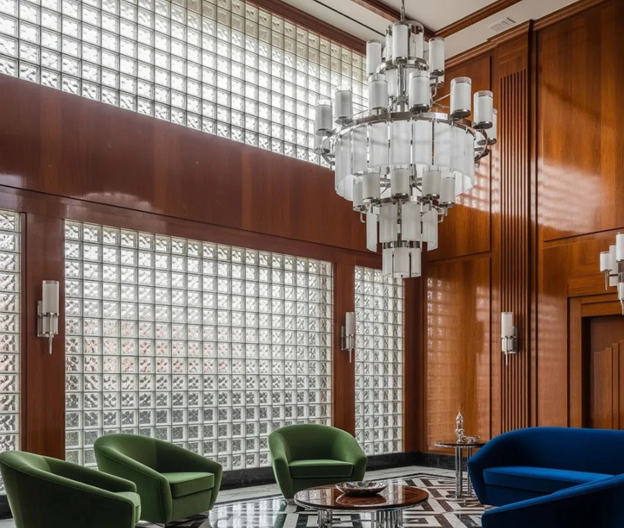
People often think these are only decorative pieces, but that is not really accurate in practice. Using architectural glass bricks in Toronto makes sense when both structure and light control are needed together. They are commonly used in partitions, facades, and sometimes even stairwell walls. The goal is not just style; it is about controlling visibility without closing off spaces completely.
Light control works differently compared to standard glazing
Light passing through these materials behaves in a scattered and softer way than clear glass panels. Brightness in Toronto is evenly distributed with glass blocks in architecture rather than forming sharp shadows within the rooms. This is beneficial in areas where the glare is uncomfortable at some time of the day. It also reduces the need for blinds or additional shading systems in some layouts.
Structural considerations that should not be ignored casually
These blocks are not installed like regular windows, and that matters more than people expect. When working with architectural glass bricks Toronto, load distribution and support framing must be planned carefully. They are strong but still need proper reinforcement, especially in larger wall sections. Expansion joints are also necessary to handle movement caused by temperature changes.
Moisture resistance becomes a practical advantage in many cases
Waterproof products are usually applied in areas where wetness is a frequent phenomenon. This is a reason why glass blocks are commonly used in the architecture of Toronto in bathrooms or the basement. They are not absorbent to water as other materials are and this minimises the long run maintenance issues. Sealing around joints is still a consideration, however, since edges are weaker always.
Installation methods vary depending on project requirements
There is no single approach that fits every type of installation, which surprises some people. For architectural glass bricks in Toronto, systems can include mortar-based setups or prefabricated framing units. Both of the approaches possess advantages depending on the size and location of the building. Using the wrong technique may influence the durability and appearance in the long run.
Design flexibility goes beyond simple square patterns
Many assume these blocks only come in one basic design, but that idea is outdated now. With architectural glass blocks Toronto, there are variations in texture, transparency levels, and even slight color tones. Some patterns focus on maximum privacy, while others allow more light clarity. Designers often mix different types within one wall to create subtle visual variation.
Energy efficiency aspects that quietly make a difference
Such materials can be used to add insulation in ways that may not necessarily be visible at a first sight. Installing architectural glass bricks in Toronto can also minimize heat transfer as opposed to single-pane glass installations. While they are not a replacement for insulated glazing units, they still add a layer of thermal resistance. This becomes useful in climates where temperature swings are frequent.
Conclusion
Working with glass blocks in architecture involves more than visual appeal, and the details matter more than expected. On blokco.com you can explore different configurations and understand how these materials fit into real projects without overcomplicating choices. From installation methods to light behavior, each factor plays a role in overall performance. Practical results are more attained by taking time to examine structure, placement, and the environment. When you are thinking about these materials in your next project, find people who can help you to make the right choice of materials and the way to install them to achieve better long-term results.