Innovative Material Forming Through EPDM Extrusions and ABS Extrusions
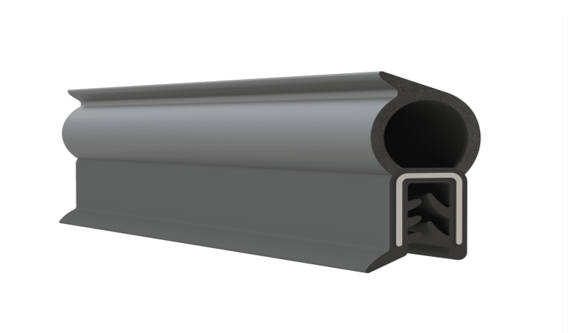
Materials behave in strange ways sometimes, and that is kind of the charm here. In modern forming work, EPDM Extrusions often appear where flexibility and sealing strength matter most. They bend, stretch, and still keep shape, which feels almost odd when you first see it. Engineers like that stability, even in rough setups. This section opens the idea of how shaping methods are evolving, slowly but steadily, toward more adaptable results that still feel practical and grounded in real-world production needs and small-scale applications, every day forming feels more refined today.
Rethinking Shape Stability in Industrial Design
Shape stability is not always about hardness. It often comes from how materials respond under pressure and release. In many forming setups, the balance between rigidity and motion decides final quality. Engineers test small variations, sometimes changing temperature or tension in tiny steps. These adjustments feel slow, but they matter a lot in production flow. Even small shifts can change how a component holds over time. The process becomes less about force and more about understanding how material memory reacts during repeated shaping cycles without losing internal structure stability overall.
Plastic Behavior in Controlled Forming Lines
Some materials behave more predictably when guided through controlled heat and pressure stages. In such cases, shaping becomes smoother, almost like soft carving. ABS Extrusions show this kind of behavior, where flow and cooling must be carefully balanced. If done right, the final surface comes out clean and steady. If rushed, small distortions can appear, which affect the fit later. The trick lies in patience, steady timing, and a clear sense of how the material reacts during each forming phase in production environments where precision decides final product reliability always matters.
Precision Flow and Material Response Patterns
Modern forming systems rely heavily on controlled flow behavior. When pressure is applied evenly, materials tend to respond in a more predictable path. But even a slight inconsistency can create ripple effects in the final output. Operators often watch closely, adjusting settings in real time to avoid unwanted distortion. The relationship between force and response is not always linear, which makes the process interesting and a bit unpredictable. Still, with careful observation, the outcome becomes reliable enough for consistent production across different batches and cycles, even under shifting industrial conditions, and overall control.
Evolving Techniques in Industrial Material Shaping
Industrial shaping methods have shifted over time, moving from rigid processes to more adaptive systems. Today, flexibility plays a bigger role than raw force. Machines are tuned to respond in small increments, allowing smoother transitions between stages. This reduces waste and improves overall consistency. Operators rely on feedback loops that help them correct errors quickly. The focus is not just on output but also on repeatability. Each cycle teaches something small, adding to a growing understanding of how materials behave under different conditions in real production environments, consistently improving daily
Conclusion
Material forming keeps shifting in small ways that often go unnoticed. Subtle changes in pressure, timing, and cooling shape outcomes more than expected. Balance between stability and flexibility guides steady industrial results over time. These methods slowly build trust in consistent output even in rough conditions. Progress continues step by step in modern manufacturing systems. Each cycle improves understanding and keeps production quietly improving without disruption over long periods overall.