A Sustainable Shift: Erik Hosler Explores Cutting Consumable Use in Semiconductor Manufacturing

In the semiconductor industry, the push for sustainability is becoming increasingly essential as manufacturers aim to reduce waste and lower environmental impact. One of the most significant opportunities lies in minimizing the use of consumable materials within semiconductor equipment. Erik Hosler, a proponent of resource-efficient manufacturing, recognizes that reducing consumable usage can lead to both economic and environmental benefits. By focusing on resource optimization, fabs can achieve more sustainable production practices without compromising performance. Implementing efficient strategies not only reduces costs but also aligns with the industry’s commitment to environmental stewardship.
As the industry continues to advance, the challenge of balancing high production output with environmental responsibility persists. Addressing consumable reduction not only helps in meeting sustainability targets but also supports cost efficiency. Implementing innovative strategies and leveraging advanced technologies can significantly minimize consumable use in semiconductor equipment, leading to more sustainable manufacturing practices. This approach also fosters innovation and resilience in the face of growing environmental regulations.
The Role of Consumables in Semiconductor Manufacturing
Consumables are materials and components that are regularly used up during semiconductor manufacturing processes. These include items such as photoresists, cleaning chemicals, filters and polishing pads. Due to the precision required in fabrication, consumables must meet stringent quality standards, which often results in high consumption rates. Managing these materials efficiently is crucial for maintaining both operational continuity and sustainability.
The continuous use of consumables poses environmental and economic challenges. Disposing of used materials requires careful handling to prevent contamination, while the production and transportation of these items contribute to the carbon footprint.
Reducing the dependency on consumables is crucial for advancing sustainable semiconductor manufacturing. Erik Hosler notes, “The ability to detect and measure nanoscale defects with such precision will reshape semiconductor manufacturing. These technologies can enable higher yields, improved quality control, and faster ramp to yield, which in turn reduces costs.” Efficient use of resources not only reduces environmental impact but also improves operational resilience. Increasing awareness of these challenges has prompted the industry to explore more sustainable alternatives.
Innovative Approaches to Reducing Consumable Use
One effective strategy is to optimize the lifespan of consumables through enhanced monitoring and maintenance practices. Advanced sensor technologies can track the condition of consumable components, allowing for predictive maintenance that maximizes their usage. By proactively replacing items only when necessary, fabs can reduce waste and operational costs. Regular maintenance also helps in maintaining optimal performance, reducing the need for frequent replacements.
Another promising approach is the development of reusable or longer-lasting consumable materials. Using advanced coating techniques on polishing pads can extend their life, while incorporating recyclable materials into cleaning agents minimizes disposal issues. These innovations align with the industry’s goal of achieving a more circular and sustainable production cycle.
For instance, using advanced coating techniques on polishing pads can extend their life, while incorporating recyclable materials into cleaning agents minimizes disposal issues. These innovations align with the industry’s goal of achieving a more circular and sustainable production cycle.
Leveraging AI and Data Analytics for Consumable Efficiency
Artificial intelligence and data analytics are transforming how fabs manage consumable use. By analyzing historical data and real-time performance metrics, AI systems can predict when a consumable is nearing the end of its useful life. This proactive approach minimizes downtime and ensures that resources are used efficiently. Integrating these technologies also aids in early defect detection, reducing material wastage.
Integrating AI-driven optimization algorithms can help identify patterns in consumable usage, allowing fabs to adjust processes and reduce unnecessary consumption. These technologies not only enhance operational efficiency but also contribute to long-term sustainability by reducing waste generation. By adopting data-driven practices, fabs can make informed decisions that balance productivity and environmental responsibility.
Implementing Process Improvements for Resource Optimization
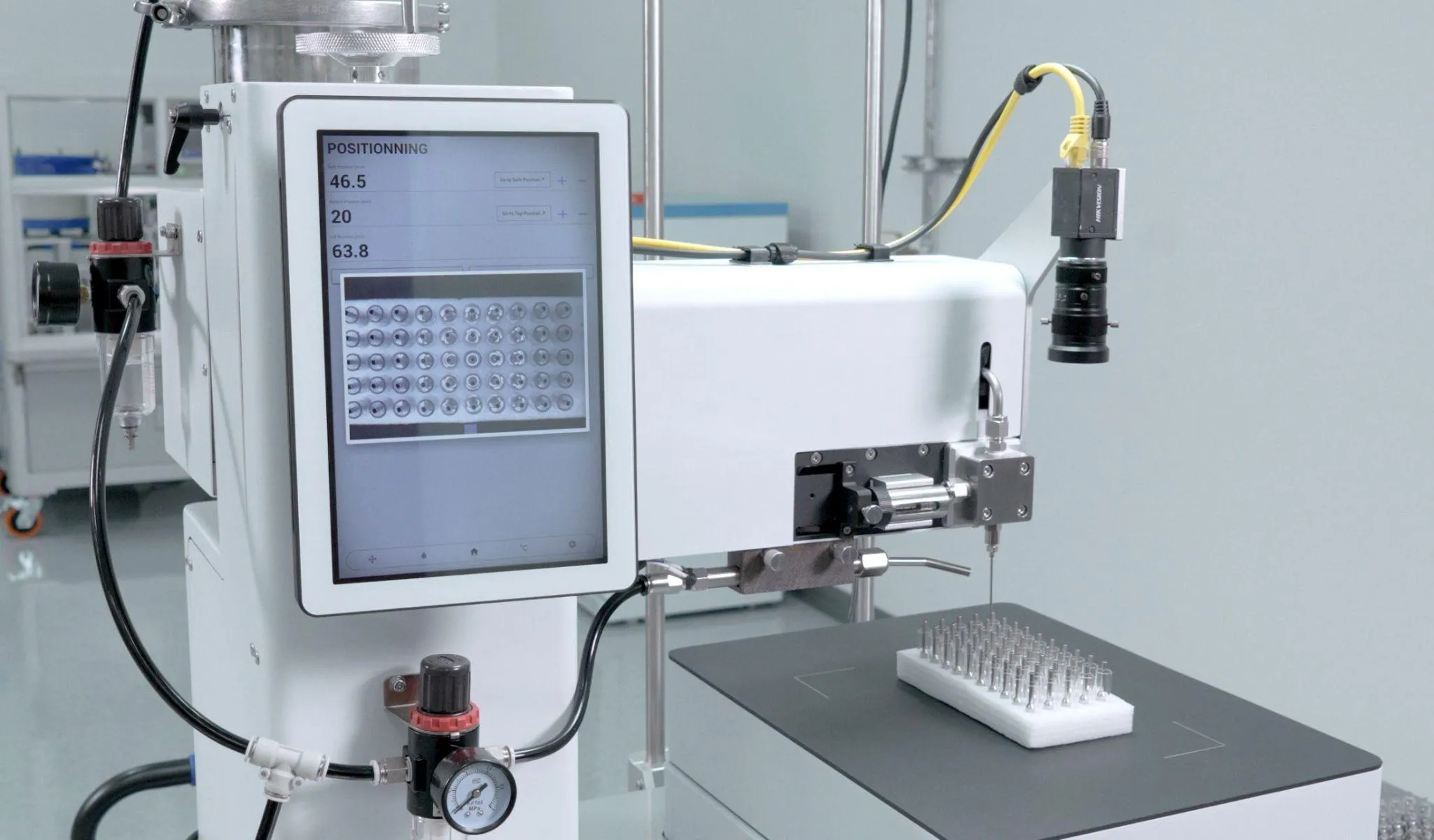
Improving manufacturing processes can significantly reduce the need for consumables. For example, transitioning to dry cleaning methods instead of chemical-based processes helps reduce solvent use. Similarly, adopting precision dispensing systems ensures that chemicals are used more sparingly, minimizing waste. Streamlining workflows also helps in maintaining consistent quality while using fewer resources.
Process standardization also reduces consumable consumption. By establishing best practices and consistent protocols, fabs can reduce variability in usage and enhance resource management. Training personnel on efficient usage techniques further contributes to sustainable manufacturing goals. Encouraging a culture of continuous improvement helps identify areas where consumable use can be minimized.
Collaboration for Sustainable Manufacturing
Achieving a reduction in consumable use requires collaboration between equipment manufacturers, fabs and material suppliers. By working together, stakeholders can develop standardized approaches to consumable management, fostering innovation and sharing best practices. Collaborative efforts also facilitate the adoption of new technologies aimed at resource conservation.
Industry initiatives aimed at promoting resource efficiency can also help align efforts across the supply chain. Establishing partnerships focused on sustainability not only enhances corporate responsibility but also supports the industry’s broader environmental commitments. Creating a network of shared knowledge and resources fosters innovation and sustainable practices on a larger scale.
Future Perspectives: Towards Zero-Waste Manufacturing
The future of sustainable semiconductor manufacturing hinges on minimizing waste and optimizing resource use. As technologies develop, industry must continue to innovate ways to reduce consumable dependency. Fostering a culture of sustainability within fabs and encouraging industry-wide collaboration are key to achieving this goal. Integrating circular economy principles will further enhance efforts to minimize waste and maximize resource efficiency.
By leveraging advanced monitoring systems, implementing process improvements and investing in reusable materials, fabs can significantly reduce their environmental footprint. Moving towards zero-waste manufacturing not only benefits the planet but also enhances economic resilience in a competitive global market. Committing to sustainable practices will also strengthen brand reputation and industry leadership.
A Sustainable Path Forward
Reducing consumable use in semiconductor equipment is not just an environmental imperative but also a strategic business move. By embracing innovation and fostering collaboration, fabs can enhance sustainability while maintaining production efficiency. As the industry strives for greener practices, reducing the consumption of critical resources will play a pivotal role in shaping a more sustainable future.
Continuous advancements in material science and process optimization will further contribute to reducing consumable dependency. By investing in research and fostering cross-industry partnerships, manufacturers can develop next-generation solutions that are both efficient and eco-friendly. Such proactive measures will ensure the long-term viability and environmental stewardship of the semiconductor industry.