Everest Base Camp Trek With Helicopter Return: Understanding the Trail Before You Go
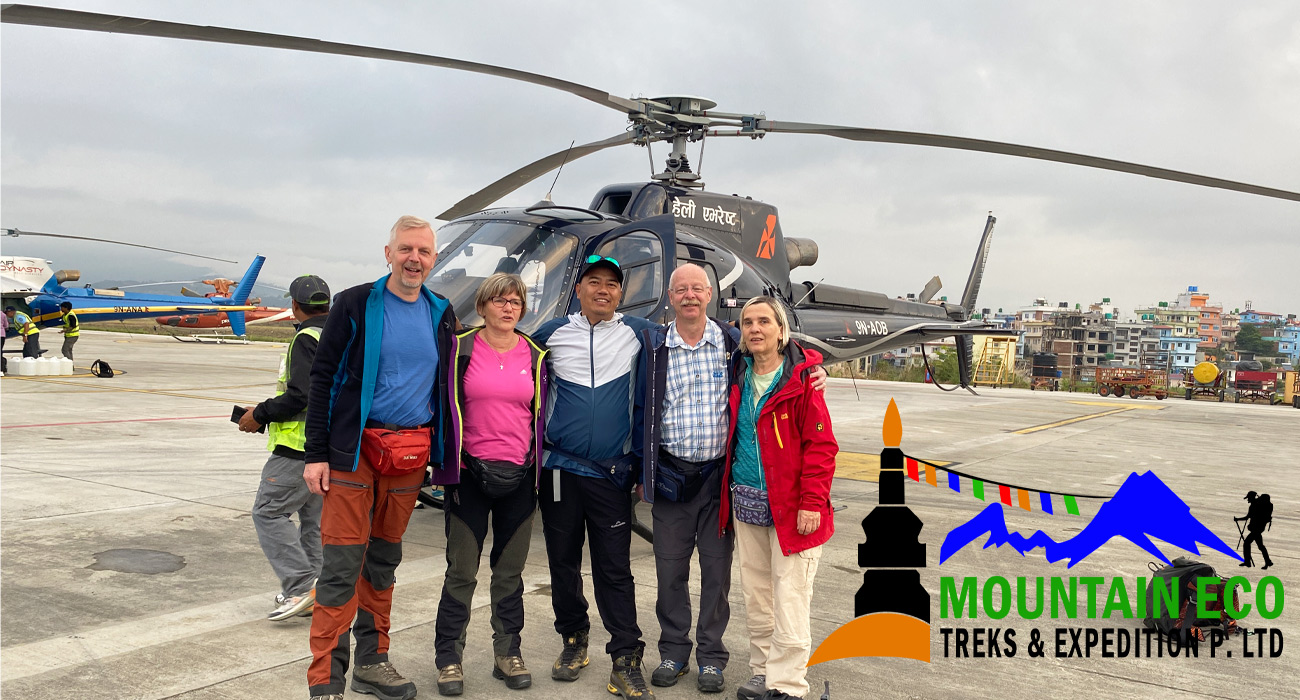
A trek to Everest Base Camp becomes easier to appreciate when you know what the trail may actually feel like.
You are not walking on one type of path for the whole journey. Some sections are smooth and wide. Others involve stone steps, rocky ground, bridges, and steady climbs. The surroundings also change as you gain height.
The Everest Base Camp Trek With Helicopter Return gives you the chance to experience these changes on foot before using a helicopter for the return, depending on weather and safe flight conditions.
Knowing what to expect can help you enjoy the route instead of being surprised by it.
The Trail Has Its Own Rhythm
Mountain walking is different from walking around a city.
There are fewer flat sections, more changes in elevation, and plenty of places where you need to watch your footing.
Watch Your Steps
Do not spend the entire trek looking at the mountains.
Some parts of the trail require attention because of loose stones, uneven ground, or steps.
A good pair of trekking shoes and a steady pace can make these sections much easier.
Expect More Than One Type of Terrain
The route does not stay the same from beginning to end.
You may walk through greener areas early in the journey and later find yourself surrounded by rocky slopes and open mountain terrain.
Different Ground Uses Different Muscles
Stone steps can work your legs differently from a long uphill path.
Downhill sections can also be tiring, even when they seem easier.
This is why regular walking and stair practice before the trek can be useful.
Bridges Are Part of the Adventure
Suspension bridges are a familiar sight in the Everest region.
They cross rivers and connect sections of the mountain trail.
Cross Without Rushing
Keep your movements steady.
If the bridge is busy, give other people enough room.
You may also encounter pack animals using the same route, so follow your guide’s instructions and stay aware of your surroundings.
A little patience makes these crossings much more comfortable.
The Trail Can Be Busy at Times
Everest is one of the world’s best-known trekking destinations.
During busy periods, you may share sections of the trail with many other travelers.
Keep Moving When the Trail Narrows
If you want to stop for photographs, move to a safe spot where you are not blocking the path.
This is especially important on narrow sections and bridges.
Good trail manners help everyone enjoy the journey.
Mountain Weather Can Change Your Plans
Clear skies are not guaranteed.
Clouds can appear quickly, temperatures can drop, and wind can make exposed sections feel much colder.
Dress in Layers
Layers make it easier to adjust to changing conditions.
You can remove a layer while climbing and add one when you stop.
Keep important warm and waterproof items easy to reach rather than buried deep inside your backpack.
Higher Altitude Changes the Walking Experience
The biggest difference you may notice as you climb is not the terrain.
It is your breathing.
At higher elevations, physical activity can feel harder because there is less oxygen available.
Do Not Treat Altitude Like a Fitness Test
A strong runner or regular gym-goer can still struggle with altitude.
Your body needs time to adjust.
Walk slowly, follow the planned acclimatization schedule, and tell your guide if you feel unwell.
Ignoring symptoms just to stay on schedule is a poor decision.
Breaks Are Part of the Plan
Some travelers feel guilty about stopping often.
There is no reason to.
Use Rest Stops Properly
A break can help you:
- Drink water
- Eat a snack
- Recover your breathing
- Adjust your clothing
- Check your feet
- Enjoy the scenery
Resting before you are completely exhausted is usually smarter than trying to push until you have nothing left.
Villages Give the Trail Character
The Everest region would feel very different without its mountain communities.
Villages provide places to eat, sleep, shop, and meet people.
Look Beyond the Lodges
Notice the stone walls, homes, prayer flags, local shops, and daily activities.
You may see people carrying supplies or preparing for another day of work.
These details show that the trail passes through living communities, not just tourist stops.
Food Can Become a Daily Highlight
After several hours of walking, even a simple meal can taste excellent.
Warm soup, rice, vegetables, noodles, potatoes, or tea can be comforting after a cold day.
Keep Your Energy Consistent
Do not wait until you feel completely empty.
Eat regular meals and carry a few simple snacks for the trail.
Your body needs steady fuel for repeated walking days.
Base Camp Is the Result of Many Small Steps
The final approach to Everest Base Camp may feel exciting.
You know the destination is close.
Think About the Whole Route
The final arrival is not just about one location.
It represents every earlier walking day, every climb, every rest, and every time you chose to continue.
That is why Base Camp can feel much more meaningful in person than it does in a photograph.
The Return Offers a Completely Different Experience
The Everest Base Camp Trek With Helicopter Return changes from walking to flying after the main trekking goal is complete.
This creates an unusual contrast.
See the Route From the Sky
From a helicopter, trails become thin lines across huge slopes.
Villages look tiny.
Valleys that took hours to cross can pass below you quickly.
If visibility is good, you may even recognize places you visited earlier.
The flight gives you a broader picture of the landscape you experienced at ground level.
Leave Room for Weather Delays
The helicopter return is convenient, but it is still a mountain flight.
Weather and visibility can affect operations.
Do Not Plan a Tight Connection
If you have another important flight, leave enough time between the helicopter journey and your onward travel.
A flexible schedule can prevent one weather delay from turning into a major travel problem.
Know the Trail, But Stay Flexible
Knowing what to expect is useful.
Expecting everything to happen exactly as planned is not.
The Everest Base Camp Trek With Helicopter Return involves nature, altitude, weather, and changing trail conditions.
The best approach is to prepare properly while remaining flexible enough to adapt.
A Better Trek Starts With Realistic Expectations
The Everest Base Camp Trek With Helicopter Return becomes more enjoyable when you understand that the route is a real mountain journey, not simply a sightseeing walk.
You will deal with uneven paths, long climbs, changing weather, and increasing altitude. You will also experience quiet forests, mountain villages, dramatic valleys, and unforgettable views.
The helicopter return adds a final change of pace, taking you from the trail into the sky and showing you the region from a completely different angle.
Prepare your body, choose practical gear, listen to your guide, respect the altitude, and give yourself enough time.
Most importantly, do not rush the experience.
The trail is not something you simply cross off a list. It is something you experience one section at a time.
Frequently Asked Questions
Is the Everest trail difficult to walk?
Some sections can be demanding because of elevation, uneven ground, and long walking days. Preparation and proper pacing can help.
Are there many different types of terrain?
Yes. The route can include forests, stone paths, bridges, rocky sections, steps, and exposed high-altitude terrain.
Why are breaks important?
Breaks allow you to recover energy, drink water, adjust clothing, and manage the physical demands of the trail.
Does fitness prevent altitude problems?
No. Fitness helps with physical effort but does not guarantee that your body will adjust easily to high altitude.
Can the helicopter return be delayed?
Yes. Weather, visibility, and other safety conditions can affect helicopter operations.