What Couples Often Miss When Choosing a Mountain Wedding Venue
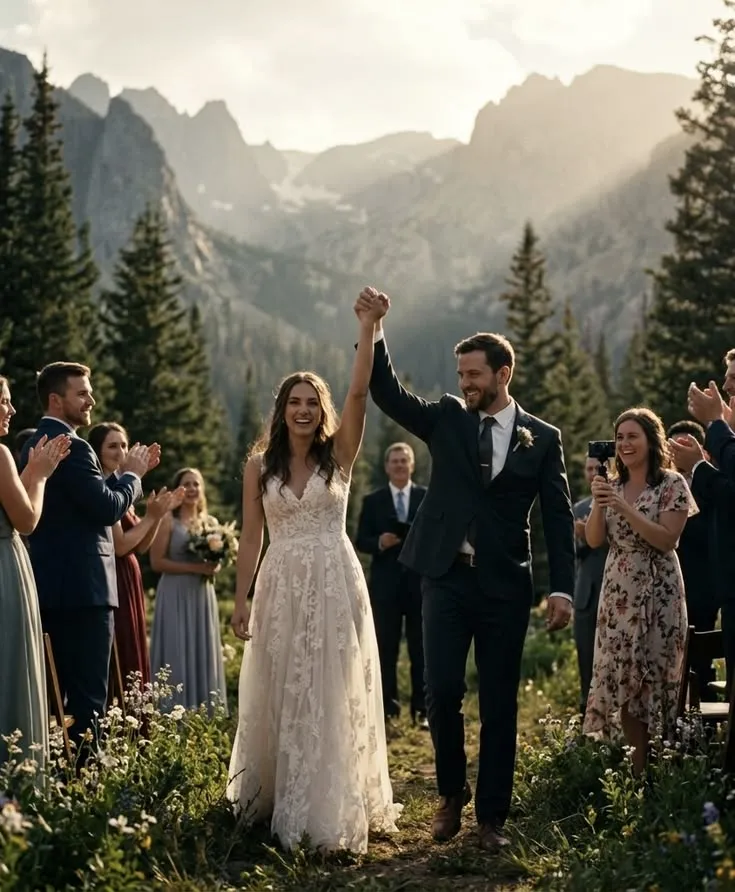
A wedding venue influences far more than the appearance of the ceremony and reception. It affects how the day moves, where guests gather, how much time is lost traveling between spaces, and what kinds of photographs and video can be created. Mountain venues can be especially rewarding because landscapes, changing light, wooded surroundings, and distinctive architecture provide natural variety. Before booking, couples should look beyond the main ceremony view and consider how the entire property will support their wedding experience.
Look Beyond the Ceremony Backdrop
A sweeping mountain view may be the first feature couples notice during a venue tour, but the ceremony occupies only one part of the wedding day. Getting-ready rooms, pathways, reception spaces, covered areas, and nearby portrait locations can matter just as much.
Couples working with a Weaverville Wedding Photographer can benefit from choosing a venue that offers several usable environments without requiring long drives. A wooded path may work for quieter portraits, an open field can provide wider landscape photographs, and a porch or window-filled room can become valuable if the weather changes.
Visual variety within one property also gives couples more time with their guests because fewer off-site trips are necessary.
Check the Getting-Ready Spaces
Getting-ready rooms are sometimes treated as conveniences rather than photographic spaces. Yet a significant part of the early wedding story may happen there.
During a venue visit, look at the amount of natural light, wall colors, available floor space, mirrors, and general clutter. A room does not need to resemble a photography studio, but it should comfortably hold the people who will actually use it.
Consider whether both partners have suitable spaces. If one group receives a bright suite while the other is placed in a cramped storage-like room, the visual balance of the early coverage may feel uneven.
Understand How Guests Will Move
Venue layout affects photography because guest movement creates many of the candid moments that connect formal events. Think about what happens after the ceremony. Do guests naturally walk toward cocktail hour? Is the reception nearby? Are there comfortable areas where relatives can talk while the couple takes family photographs?
When spaces flow naturally, the photographer can document interactions rather than spending time searching for people spread across a large property.
Accessibility matters as well. Long hills, uneven trails, and distant parking may look manageable during a quiet venue tour but become challenging for older relatives, children, or guests wearing formal shoes.
Consider Video as Well as Stills
Photography is affected primarily by light, surroundings, and timing, while video introduces another consideration: sound.
A beautiful ceremony location beside a busy road, loud water feature, or constantly operating machinery may create audio challenges. Strong mountain wind can also affect outdoor vows and speeches.
An Ashville Wedding Videographer will usually think about both the visual environment and the sound conditions surrounding important moments. Couples planning video coverage should therefore listen carefully during a venue tour rather than judging the space only by what they see.
Ask where musicians, speakers, and microphones are normally positioned and whether there is a practical backup location if conditions become unsuitable outdoors.
Find the Real Rain Plan
A venue saying it has a backup plan is not enough. Couples should ask to see exactly where an outdoor ceremony would move during rain.
Would everyone fit comfortably? Does the alternate space have usable light? Will chairs, decorations, and equipment need to be moved quickly? Is the backup attractive enough that the couple would genuinely be comfortable getting married there?
Mountain weather can shift unexpectedly. A strong indoor or covered alternative reduces stress because the wedding remains intentional even if the original plan changes.
Think About Sunset Realistically
Many couples imagine sunset portraits, but mountains can affect when direct sunlight disappears. The published sunset time does not necessarily indicate when light will leave a venue surrounded by ridges or dense trees.
Ask where the property receives late-day light and whether there are nearby open areas. A short portrait session at the right moment is usually more useful than disappearing from the reception for an extended period. The objective should be to use favorable light without designing the entire celebration around it.
Notice Restrictions Before Booking
Some venues have rules affecting candles, sparklers, drones, amplified music, access times, or where vendors can work. These restrictions may influence photography or video plans. Clarifying them early allows couples to make realistic choices rather than discovering limitations shortly before the wedding.
Conclusion
The most photogenic mountain venue is not always the one with the biggest view. A truly workable setting supports the entire celebration through good movement, useful indoor and outdoor spaces, realistic weather alternatives, suitable light, and comfortable areas for guests. Couples who evaluate these practical details alongside aesthetics can create a wedding day that feels easier rather than more complicated. When the venue works naturally with the schedule, photography and video can concentrate on relationships, reactions, and atmosphere instead of constantly solving logistical problems.