How Rubber Removal Metal Reclaiming Enhances Material Recovery in Industrial Operations
In modern industrial operations, efficiency and sustainability are increasingly important. Companies are constantly looking for ways to reduce waste, save costs, and recover valuable materials. One method that has proven highly effective is rubber removal metal reclaiming. This process helps industries extract metals from products that have rubber coatings or components, ensuring that valuable materials are not lost in the production or recycling process.
Understanding Rubber Removal Metal Reclaiming
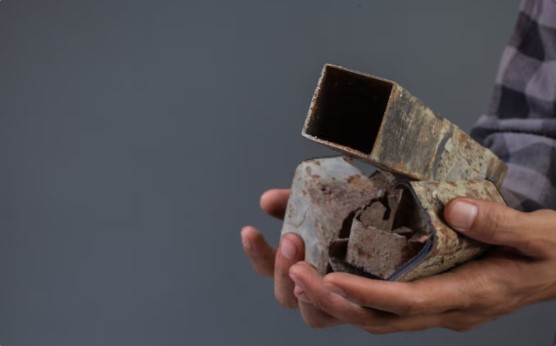
Rubber removal metal reclaiming is the process of separating rubber from metals to recover and reuse the metal components. In many industrial products, metals are coated, encased, or combined with rubber for protection, insulation, or performance purposes. Over time, these materials can wear out, become scrap, or reach the end of their lifecycle. Instead of discarding the entire item, rubber removal metal reclaiming allows the metal to be cleaned, separated, and reintroduced into the production cycle. This not only reduces raw material costs but also contributes to environmental sustainability.
Benefits of Material Recovery in Industrial Operations
Recovering metals through rubber removal metal reclaiming has several benefits for industrial operations. Firstly, it reduces the need to purchase new metals, which can be expensive. Reclaiming metals from scrap items ensures that resources are used efficiently and that waste is minimized. Secondly, this process supports environmental responsibility. By separating and reusing metals, industries can lower the amount of waste sent to landfills and reduce the environmental impact of mining new materials. Finally, reclaiming metals improves operational efficiency. With a consistent supply of recycled metals, production processes can maintain quality standards without interruptions caused by shortages or supply chain delays.
Applications of Rubber Removal Metal Reclaiming
Rubber removal metal reclaiming is used in various industrial sectors, including automotive, manufacturing, and construction. For example, in the automotive industry, engines, wires, and machinery often contain metal parts covered in rubber. Instead of discarding these components after wear, rubber removal techniques can reclaim the metals for reuse. Similarly, in manufacturing, equipment parts that contain rubber coatings can be treated to recover the metals inside. This makes the process valuable in industries where metals like copper, aluminum, and steel are in high demand.
Methods Used in Rubber Removal Metal Reclaiming
There are several methods employed to achieve effective rubber removal metal reclaiming. Mechanical processes, such as shredding, grinding, and vibrating separation, are commonly used to break down rubber and release the metal. Thermal methods may also be applied, where controlled heating softens the rubber, making it easier to remove from metal surfaces. Additionally, chemical treatments can assist in separating rubber residues from metals in more complex applications. Choosing the right method depends on the type of materials involved and the scale of the operation, but the goal remains the same: to recover metals efficiently without damaging their structure.
Enhancing Efficiency and Sustainability
Implementing rubber removal metal reclaiming in industrial operations enhances both efficiency and sustainability. Industries benefit from lower material costs, reduced waste disposal fees, and a more reliable supply of metals for production. At the same time, reclaiming metals aligns with environmentally responsible practices, helping companies meet sustainability goals and regulatory requirements. As more industries recognize the value of material recovery, rubber removal metal reclaiming is becoming an essential part of modern production and recycling strategies.
Conclusion
Rubber removal metal reclaiming is a vital process for industries looking to maximize material recovery and minimize waste. By separating rubber from metals, companies can reclaim valuable resources, reduce costs, and promote environmental sustainability. The process is applicable across multiple industrial sectors, and its use of mechanical, thermal, and chemical methods ensures efficiency and effectiveness. Integrating rubber removal metal reclaiming into industrial operations not only supports operational efficiency but also strengthens a company’s commitment to responsible and sustainable practices.