Understanding the Demand for Old Banarasi and Zari Sarees in Varanasi
Fashion trends continue changing, but traditional Banarasi sarees have managed to hold attention differently. In Varanasi, a city deeply connected with silk weaving, many older sarees are increasingly being appreciated not only for sentiment but also for craftsmanship. This growing interest in Old Banarasi saree buyers in Varanasi reflects how handmade silk and zari work continue to remain meaningful, even years after a saree stops being worn regularly.
As appreciation for traditional textiles grows, many families are beginning to revisit older saree collections with fresh interest.
Why Older Banarasi Sarees Are Receiving More Attention
Many older Banarasi sarees were created using weaving methods that are difficult to replicate in large-scale modern production.
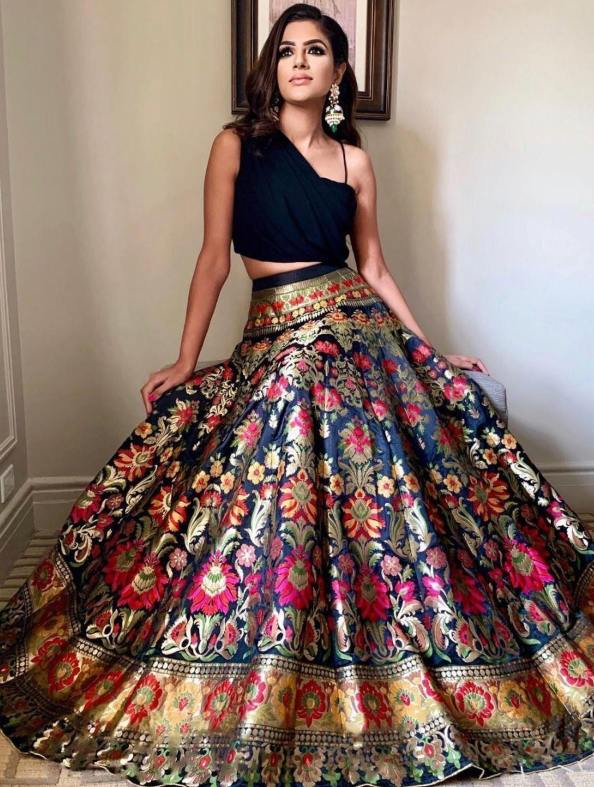
Handwoven silk, detailed zari borders, floral jaal work, Mughal-inspired motifs, and rich pallu craftsmanship often make vintage sarees feel different from mass-produced alternatives. Because of this, sarees, once viewed as old-fashioned, are now attracting renewed attention from people who value heritage textiles.
In Varanasi, especially, where weaving traditions remain part of local identity, appreciation for older craftsmanship often feels stronger.
What Makes Varanasi Important in This Growing Demand?
Varanasi is not simply known for selling sarees—it is recognised for understanding them.
For generations, local weaving communities have worked closely with Banarasi silk, zari techniques, and traditional textile methods. This long connection often helps experienced people recognise details linked to authenticity, fabric quality, and craftsmanship.
This is one reason Old Zari Saree Buyers familiar with traditional weaving often notice details others may overlook.
What Features Usually Attract More Interest?
Not every saree receives the same attention, but some details often stand out more than others.
Buyers and textile enthusiasts commonly notice:
✔ Rich zari borders and pallu work
✔ Pure silk quality
✔ Handwoven Banarasi weaving
✔ Floral or Mughal-inspired motifs
✔ Vintage craftsmanship and unique textures
These elements often make older sarees feel more distinctive.
Why Family Saree Collections Are Being Viewed Differently
A noticeable change is happening in many households.
Wedding sarees, heirloom Banarasi collections, and silk pieces preserved after family celebrations are increasingly being viewed differently. Instead of remaining only sentimental belongings, these sarees are also being appreciated for the weaving and artistry they represent.
In cities like Delhi, Jaipur, and Mumbai, many families are beginning to reassess sarees preserved for years as appreciation for traditional craftsmanship grows.
FAQs
Why are old Banarasi sarees attracting attention again?
Growing appreciation for handmade textiles, traditional weaving, and sustainable fashion has encouraged people to value older sarees differently than before.
Do all old Banarasi sarees hold the same value?
Not necessarily. Silk quality, zari work, weaving style, motifs, and overall condition often influence interest.
Why is Varanasi considered important for Banarasi sarees?
Because the city remains closely connected to silk weaving traditions, many people trust local textile understanding when exploring older Banarasi sarees.
Conclusion
The growing interest in old Banarasi and zari sarees suggests that traditional craftsmanship continues to matter, even as fashion preferences evolve. In Varanasi, where weaving remains closely tied to local identity, older sarees are increasingly being appreciated not just for memories but for the artistry behind them. As more families revisit long-preserved collections, sarees once overlooked are gradually finding renewed attention in changing times. OLDZARI has also helped saree owners better explore traditional sarees through a deeper understanding of Banarasi weaving and zari craftsmanship.