Complete Guide to Tactile Indicator Installation Methods (Adhesive, Screw, Sleeve)
Tactile indicators are essential for creating safe and accessible spaces, especially for people with visual impairments. These indicators help guide movement and warn about hazards in both public and private environments. However, their effectiveness depends not only on the product quality but also on how they are installed.
This guide explains the three main installation methods of adhesive, screw, and sleeve: so, you can choose the right option for your project.
Why Installation Method Matters
The installation method plays a major role in the durability and performance of tactile indicators. Even high-quality products can fail if they are not installed correctly. A proper method ensures strong bonding, long life, and consistent performance under daily use.
A reliable tactile indicators manufacturer usually recommends specific installation methods based on the surface type and traffic conditions.
Adhesive Installation Method
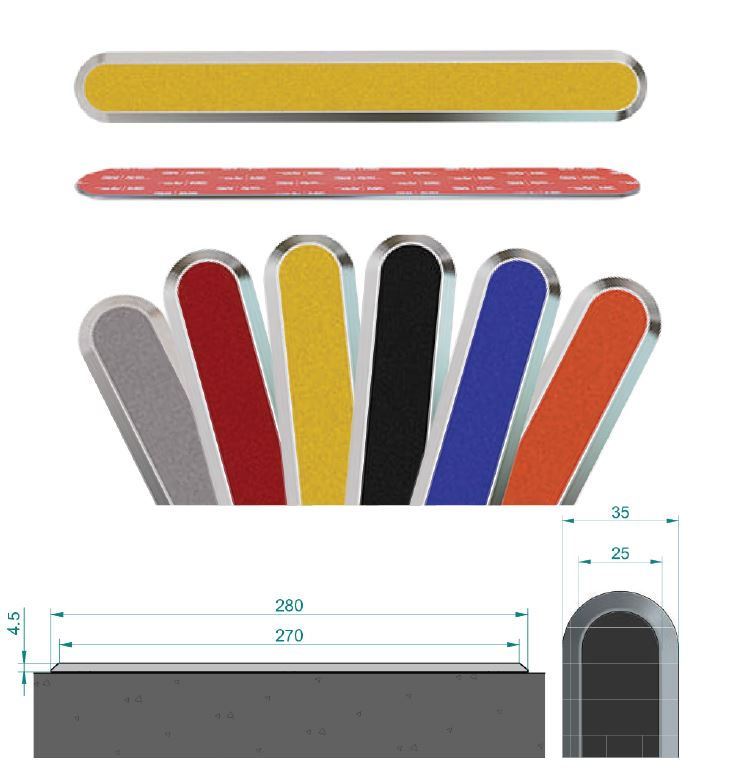
The adhesive method is one of the most popular options today. It uses strong bonding materials to attach tactile indicators directly to the surface. Products like self adhesive tactile strip are designed for quick and easy application.
How It Works
The back of the tactile indicator has a pre-applied adhesive layer. After cleaning the surface, the indicator is pressed firmly into place.
Key Benefits
- Fast and easy installation
- No drilling required
- Ideal for smooth surfaces like tiles or marble
- Minimal disruption to the area
This method is widely used in indoor environments such as offices, shopping malls, and hospitals where conditions are controlled.
Screw Fixing Method
The screw fixing method is a traditional approach known for its strength and reliability. It involves securing tactile indicators using screws drilled into the surface.
How It Works
Holes are drilled into the floor, and the indicators are fixed using screws. This creates a strong mechanical connection that can handle heavy use.
Where It Works Best
This method is commonly used in high-traffic areas such as railway platforms, sidewalks, and airports. It performs well in both indoor and outdoor environments.
Although it takes more time and effort, it offers excellent durability and long-term performance.
Sleeve Fixing Method
The sleeve fixing method combines strength with a clean finish. It uses sleeves inserted into drilled holes to hold the tactile indicators securely in place.
How It Works
After drilling holes, sleeves are inserted into the surface. The tactile indicators are then placed into these sleeves, ensuring a tight and stable fit.
Why It Is Preferred
This method provides a neat appearance and reduces the chances of loosening over time. It is suitable for projects where both durability and visual finish are important.
Choosing the Right Installation Method
Selecting the correct method depends on several practical factors. Each project is different, so it is important to evaluate your requirements carefully.
Key Factors to Consider
- Surface type and condition
- Level of foot traffic
- Indoor or outdoor environment
- Project timeline and budget
For example, adhesive methods work well on smooth indoor surfaces, while screw or sleeve fixing is better for heavy-duty outdoor use.
Common Installation Mistakes
Proper installation is just as important as choosing the right method. Avoiding common mistakes can improve performance and extend the lifespan of tactile indicators.
Mistakes to Avoid
- Installing on dirty or uneven surfaces
- Incorrect alignment or spacing
- Not applying enough pressure during installation
- Skipping curing time for adhesive products
- Using the wrong method for the environment
Paying attention to these details can make a significant difference in the final result.
Final Thoughts
Tactile indicators are a key part of accessible design, but their success depends heavily on proper installation. Adhesive, screw, and sleeve methods each offer unique advantages, and the best choice depends on your specific project needs.
Adhesive solutions like self-adhesive tactile strips provide speed and convenience, while mechanical methods offer maximum strength. By understanding these options and applying them correctly, you can ensure long-lasting performance, safety, and reliability in any environment.