Contig Piles Explained for Stable Excavation and Retaining Wall Projects
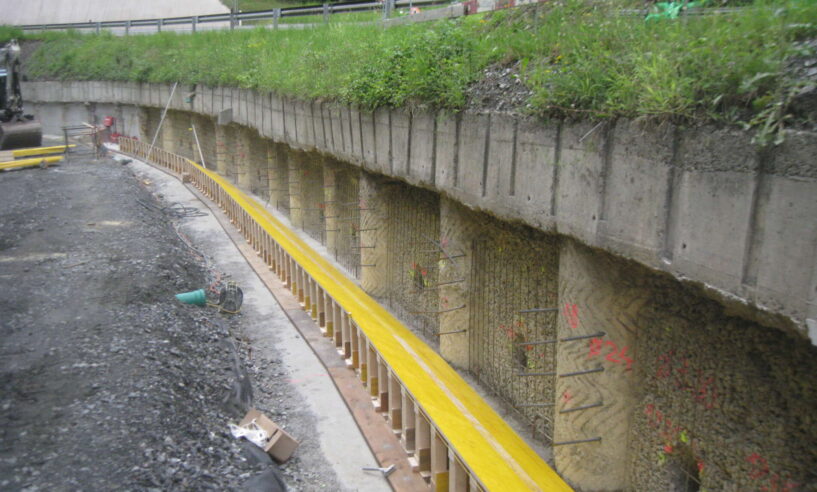
When you need to keep soil from falling into an open basement hole, engineers often choose to install contig piles to create a strong barrier. These are basically individual concrete columns placed close together in a line to hold back the surrounding earth pressure. Unlike some other wall types that lock tightly together to stop all water, these are spaced with small gaps between them. It is a very common solution for projects where you need temporary support during the initial building phases.
How they work daily
The installation process for contig piles is pretty straightforward because you just drill the holes and fill them with concrete one after another. You do not need to worry about complex interlocking mechanisms like you might see with other types of heavy retaining wall designs. This makes the whole operation much faster and often cheaper for contractors who have a tight budget. They handle lateral loads well, as long as the surrounding soil stays somewhat dry and stable during the entire construction period.
Choosing the right depth
Planning the depth of your contig piles is probably the most critical step to ensure the wall does not fail while you are digging. If the piles are not deep enough, the bottom part of the wall might move inward under the massive pressure of the soil. Engineers usually calculate the required embedment depth based on the specific type of clay or gravel found under your site. Always check your geotechnical reports carefully before you start drilling into the ground to avoid big problems.
Dealing with groundwater
You have to remember that contig piles are not meant to be perfectly waterproof barriers against rising groundwater levels. Because there are tiny gaps between the individual columns, some water or fine sand can seep through the wall during heavy rain events. If your site has a lot of moisture, you might need to combine them with a drainage system or use a different wall method entirely. Understanding these limitations early on keeps your site much safer and helps prevent unexpected flooding issues later.
Using on construction sites
Contractors prefer this method because it works well in tight urban environments where you cannot have wide sloping excavation pits. Installing contig piles near existing sidewalks or roads protects the nearby infrastructure from settling or cracking while you dig down. It provides a decent level of stiffness for the excavation face and allows for a quicker start on the foundation work once the wall is in place. Many teams find this to be a balanced approach for projects with moderate depth requirements.
Maintenance and inspection tips
After the wall is finished, you should walk along the top regularly to check for any signs of movement or tilting. Even though contig piles are sturdy, excessive ground pressure can sometimes cause small shifts that need quick attention from the site supervisor. Keeping an eye on the gap sizes ensures that the wall is performing as expected during the long excavation stage. If you notice any large cracks appearing in the concrete, consult with your structural engineer immediately to plan the next necessary steps.
Conclusion
Selecting the right earth retention system is a vital decision that affects both the safety and the total cost of your foundation project. You can find technical resources for your engineering team at Brextor.com to help you compare the different options for your specific. Evaluating soil conditions and load requirements early helps you maintain a smooth schedule and avoid common pitfalls during the excavation process. We encourage you to reach out to a certified foundation contractor to review your plans and discuss the best approach for securing your next big construction development today.