Choosing the Right Transformer for Modern Power Distribution Networks
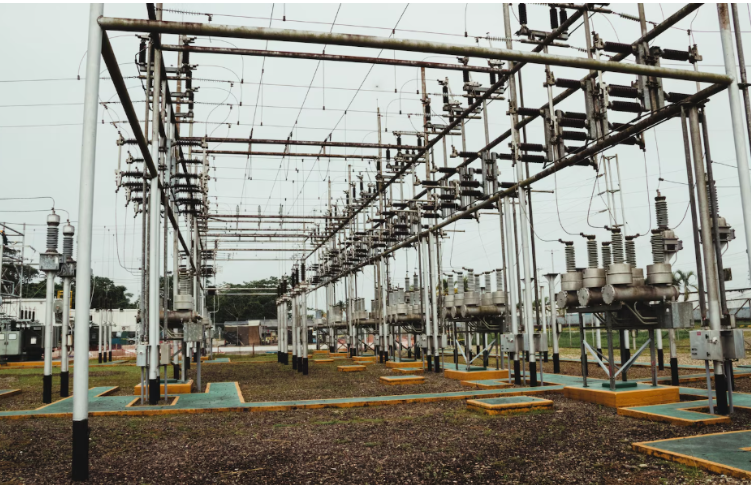
Electricity plays a vital role in powering modern society. From homes and offices to large industrial facilities, reliable electrical infrastructure is essential for daily operations. One of the most important components in power distribution systems is the transformer.
Transformers regulate voltage levels, ensuring electricity can be transmitted efficiently and safely across power networks. Professional transformer manufacturer companies design and produce these essential devices for power grids worldwide.
Among the various types of transformers used in electrical infrastructure, the distribution transformer plays a key role in delivering electricity to residential and commercial consumers.
Understanding Transformer Technology
A transformer is an electrical device that transfers energy between circuits through electromagnetic induction. It adjusts voltage levels so electricity can be transmitted efficiently across long distances and safely delivered to end users.
Electricity generated at power plants typically operates at very high voltage levels. Transformers reduce this voltage as electricity travels through the distribution network.
This voltage regulation ensures that electrical systems operate safely within homes, businesses, and industrial facilities.
The Role of Distribution Transformers
A distribution transformer is specifically designed to deliver electricity from distribution networks to individual consumers. These transformers are commonly installed on utility poles, substations, or ground mounted enclosures.
Distribution transformers convert medium voltage electricity into lower voltage levels suitable for residential and commercial use.
Without these devices, electricity could not be safely delivered to homes or small businesses.
The Importance of Professional Transformer Manufacturers
Reliable transformers require precision engineering and strict manufacturing standards. A professional transformer manufacturer must carefully design each unit to ensure efficiency, durability, and safety.
Manufacturers use advanced insulation materials, high quality copper windings, and robust cooling systems to improve transformer performance.
Quality control processes are essential to ensure that transformers meet international electrical standards and operate reliably over long periods.
Energy Efficiency in Modern Transformers
Energy efficiency has become a major priority in power infrastructure development. Modern distribution transformer designs focus on minimizing energy loss during voltage conversion.
Advanced core materials and improved winding techniques help reduce electrical losses and improve transformer performance.
These improvements help power companies reduce operational costs while supporting more sustainable energy systems.
Supporting Expanding Power Networks
As urban populations grow and electricity demand increases, power networks must expand to support new infrastructure.
Reliable transformers play a crucial role in maintaining stable electricity supply. A dependable transformer manufacturer provides equipment capable of supporting expanding power grids.
Distribution transformers ensure that electricity generated at power plants can be delivered efficiently to consumers across cities, towns, and rural areas.
Conclusion
Transformers are essential components of modern power distribution networks. They regulate voltage levels, improve energy transmission efficiency, and ensure safe electricity delivery to end users.
Professional transformer manufacturer companies design and produce advanced transformer systems that support reliable electrical infrastructure.
At the same time, the distribution transformer remains a critical device that connects large power networks to homes and businesses. As global energy demand continues to rise, transformers will remain a cornerstone of modern electrical systems.