How Air Cushion Filling Machines Improve Packaging Efficiency and Reduce Waste
A warehouse buzzing with activity, boxes zipping down conveyor belts, and the faint hiss of air filling the space like a gentle whisper. Amid the chaos, there’s a quiet hero working overtime—the air cushion filling machine. It’s not glamorous, but it’s the unsung savior of packaging, turning what could be a mountain of wasted plastic and cardboard into a streamlined dance of efficiency. You might not think much about those little puffed-up pillows you find inside packages, but trust me, they’re more than just bubble wrap’s cooler cousin. They’re a revolution, one that’s quietly reshaping how we pack, ship, and even think about waste.
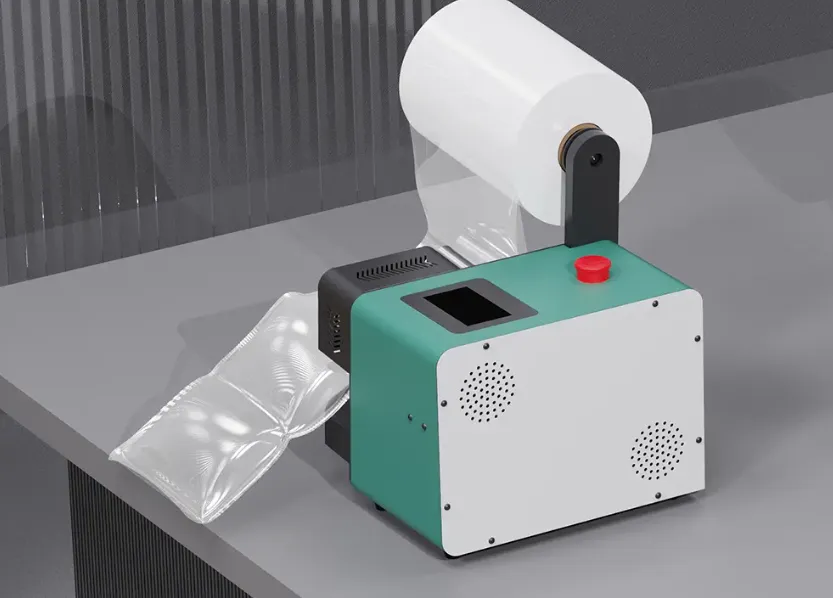
When you stop and consider the sheer volume of stuff shipped daily, the numbers get dizzying. Every e-commerce order, every fragile gadget, every bottle of artisanal hot sauce—they all need protection. Traditional methods, like crumpled newspaper or those foam peanuts that seem to multiply in the dark, are messy and inefficient. That’s where the air cushion filling machine comes in, with its ability to produce custom-sized cushions on demand. It’s like having a personal air sculptor that knows exactly how much puff your package needs. No more guessing, no more overstuffing. Just the right amount of air to keep your product safe, and a lot less material heading to the landfill.
Let’s talk about speed for a second. In a fast-paced fulfillment center, every second counts. Workers don’t have time to tear apart foam sheets or inflate individual bags by mouth—gross, right? The air cushion filling machine changes the game by churning out cushions at a pace that feels almost magical. You press a button, and within seconds, a steady stream of air-filled pillows emerges, ready to be tossed into boxes. This isn’t just about saving a few minutes, it’s about transforming an entire workflow. Teams can pack more orders per hour, meet tighter deadlines, and actually feel less frazzled at the end of the day. And when you multiply that speed across an entire warehouse, the efficiency gains are staggering.
Now, I’ll be honest—I used to think packaging waste was just one of those unavoidable evils. You know, the guilt of pulling out a giant plastic air pillow from a box that only held a tiny lipstick. But here’s the twist: the air cushion filling machine actually reduces waste in a clever way. Because these cushions are made from thin, durable film, they take up way less space in landfills compared to bulky foam or wads of paper. And since the machine creates them on-site, you’re not shipping empty air-filled space from a factory hundreds of miles away. That’s less fuel burned, fewer trucks on the road, and a lighter carbon footprint. It’s like the machine is saying, “Hey, let’s just pack smart, not hard.”
I once visited a small online boutique that shipped handmade ceramics. The owner was tearing her hair out over breakage rates, packing each piece in a mountain of bubble wrap that cost a fortune and took forever to apply. Then she invested in an air cushion filling machine. Suddenly, her packing station looked like a serene spa for packages. She’d place a ceramic mug in a box, press a pedal, and within seconds, tailored air cushions snugly hugged the mug from all sides. Breakage rates plummeted, and so did her packaging costs. The best part? Her customers started commenting on how cute the packaging was—a win for efficiency and branding all at once.
Of course, not all air cushion filling machines are created equal. Some are compact desktop models perfect for small businesses, while others are industrial beasts that churn out thousands of cushions an hour. But the core idea remains the same: adaptability. You can adjust cushion length, film width, and air pressure to suit whatever you’re packing. Need a tiny cushion for a necklace? Done. Need a giant one for a heavy appliance? No problem. This flexibility means you’re never stuck with a one-size-fits-all solution, which often leads to overuse of material. With an air cushion filling machine, every cushion is made to measure, cutting down on waste right from the start.
Let’s not forget the human element either. Workers love these machines because they’re light and easy to handle. Have you ever tried to carry a stack of bulky foam sheets? It’s like wrestling a polar bear made of static electricity. Air cushions, on the other hand, weigh almost nothing. A single roll of film can produce hundreds of cushions, and the finished pillows are light yet strong. That means less physical strain on employees, fewer trips to storage areas, and a happier, more productive workforce. When your team isn’t drained by heavy lifting, they can focus on what really matters: getting shipments out the door with a smile.
But wait—there’s more magic in the details. The film used in an air cushion filling machine is often recyclable, and many companies now use biodegradable options. Imagine that: a protective packaging material that disappears when you’re done with it, instead of lingering in a landfill for centuries. It’s not perfect yet, but it’s a massive step forward from Styrofoam peanuts, which basically laugh at the concept of biodegradation. And because the machine uses only a minimal amount of film per cushion—just enough to hold the air—the overall material usage is drastically lower than traditional padding methods. In fact, studies show that air cushion systems can reduce packaging material by up to 50% or more. That’s not just a number, it’s a tangible win for the planet.
I remember reading about a large electronics company that switched to air cushion filling machines across all their warehouses. Their waste disposal costs dropped by a third, and their shipping weight decreased significantly, which meant lower fuel costs for transportation. It wasn’t just about being green—it was about being smart. The air cushion filling machine became a cornerstone of their sustainability strategy, and they proudly advertised it to customers. In a world where consumers increasingly care about eco-friendly practices, that kind of story sells itself. It’s like having a secret weapon that makes your brand look good while saving you money.
Now, let’s circle back to that core idea of efficiency. When you streamline packaging with an air cushion filling machine, you’re not just saving time and material. You’re also reducing errors. Have you ever opened a box to find that the item inside shifted during transit because the padding didn’t hold it in place? Infuriating, right? Air cushions conform to the shape of the product, creating a snug, almost custom fit. They don’t settle or compress like paper or foam, so your items stay exactly where you put them. That means fewer damaged returns, less customer service headache, and more repeat business. It’s one of those rare upgrades that touches every part of the shipping process.
I could go on about technical specs—film gauges, inflation speeds, machine durability—but the real beauty of the air cushion filling machine is its simplicity. It takes a basic concept (air + plastic) and turns it into a tool that solves so many problems at once. It’s like the Swiss Army knife of packaging, but without all the extra blades you never use. Whether you’re a one-person Etsy shop or a corporate giant, this machine adapts to your needs and helps you pack better, faster, and cleaner. And in an age where every business is under pressure to do more with less, that kind of versatile efficiency is pure gold.
So next time you see a package arrive on your doorstep, look past the cardboard box. Inside, those little air pillows are telling a story of innovation and waste reduction, all made possible by a machine that works quietly in the background. The air cushion filling machine isn’t just a tool, it’s a mindset shift. It says we don’t have to drown the world in material to protect our products. We can be light, clever, and efficient. And honestly, isn’t that the kind of packaging we all want to see?