Top 5 Benefits of Using a Tractor in Farming
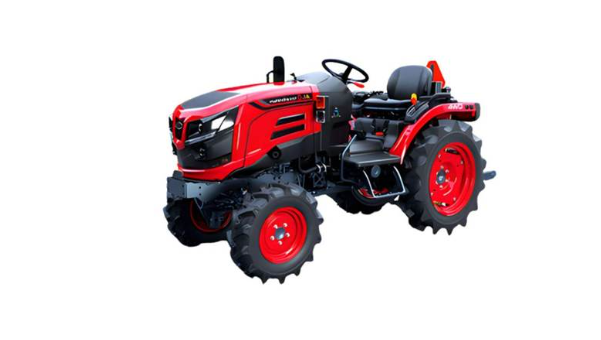
On Indian farms, the calendar moves fast. A short sowing window, sudden rains, and limited labour can decide whether a crop starts strong or struggles from day one. That is why a tractor is no longer seen as a “big farmer” asset only. From smallholders to larger growers, the right machine helps you do more work in less time, with better consistency and less physical strain. It also brings confidence during peak weeks, when timing matters more than intention. Below are the top five benefits of using a tractor in farming, explained in clear, farm-first terms.
1) Faster land preparation and timely field work
Speed matters in agriculture because every operation sits on a chain. If primary tillage is late, sowing shifts; if sowing shifts, the crop misses the best temperature and moisture. A tractor shortens the time between decisions and action, especially during peak season when everyone needs labour and equipment.
With suitable implements, a tractor can handle:
- Ploughing and harrowing for seedbed preparation
- Rotavation for quick soil working and residue mixing
- Ridge and furrow formation for row crops
- Levelling to improve irrigation uniformity
The advantage is not only “fast work”, but “on-time work”. When you finish preparation and sowing within the right window, the crop often starts evenly. That early uniformity later supports smoother nutrient planning, easier weed control, and a more predictable harvest. In rainfed belts, timely sowing after the first good shower can be the difference between a filled ear and a thin ear.
2) Reduced labour dependence and improved reliability
Labour availability in India can change overnight due to migration, festivals, or local demand from non-farm work. Manual operations also vary from person to person, which affects depth, spacing, and finish. A tractor reduces dependence on large labour teams and brings a repeatable standard to many tasks.
Where it helps most:
- Seedbed preparation with uniform depth and finish
- Inter-cultivation in wider row crops with better alignment
- Haulage of inputs like seed, fertiliser, and mulch
- Transport of produce from the field to the collection point
This reliability is useful even when you hire equipment through custom hiring centres or local operators. The job gets done with fewer hands, and the finish is more consistent across plots. A steady workflow also protects your other inputs: if fertiliser is applied on time and irrigation is not delayed, you avoid waste and stop small issues from becoming expensive ones.
3) Versatility across crops, seasons, and farm jobs
One reason the tractor remains the most valued farm machine is its ability to do many jobs with one power source. Instead of buying separate machines for each task, you can attach implements based on your crop, soil, and season. That flexibility supports diversified farming, which is common across Indian states.
A tractor can support work across the year, such as:
- Sowing with seed drills or planters
- Spraying with boom sprayers for better coverage
- Threshing or shelling via PTO-driven equipment
- Water lifting using pumps where applicable
- Post-harvest transport, including shifting produce and fodder
If you grow paddy in kharif and vegetables in rabi, or mix cereals with fodder, the implement mix changes, but the tractor stays central. This “one machine, many roles” approach helps you standardise operations and reduce downtime. It also lets you expand step by step: add one implement each season, and build a setup that fits your land.
4) Better soil, water, and input management when used correctly
Mechanisation can improve field quality when decisions are made with soil health in mind. The aim is not to overwork the land, but to do the required operations with accuracy. A tractor enables better control over depth, speed, and implement settings, which directly affects moisture conservation and root development.
Key ways it supports resource management:
- Proper levelling reduces water loss in flood irrigation and improves uniform wetting
- Timely interculture helps manage weeds without repeated manual rounds
- Accurate application using mounted spreaders or sprayers can reduce overlaps
- Ridge and bed systems improve drainage in heavy soils and aeration in vegetables
The main point is control. When you pair that control with sensible choices, like avoiding field work when soil is too wet, you protect structure and reduce unnecessary compaction. Better field finish also makes later operations smoother, from irrigation to harvesting. Even simple changes, such as keeping tyre pressure right and using the correct gear for the load, can reduce wheel slip and save fuel while keeping soil disturbance in check.
5) Stronger farm economics and smarter buying choice
A tractor is an investment, so the real benefit is what it returns over seasons. Savings come from reduced hired labour, quicker turnarounds, and better use of your own time. Earnings can improve when timely operations lead to stronger yields and cleaner produce. The economics become even more important for small and mid-size farms, where every input is tracked closely.
Here is how a tractor supports better economics:
- Lower per-acre operational cost when work hours are used efficiently
- Reduced crop loss from delayed sowing, weeding, or harvest transport
- Higher capacity to take up allied work like haulage or custom jobs
- Better utilisation of implements across multiple crops
In India, ownership is not the only path. Many farmers start by hiring a tractor for heavy tillage and use a smaller unit for transport and interculture. Custom hiring centres, FPOs, and shared ownership models can reduce capital pressure while giving access during peak windows.
If you plan to buy, check resale demand in your district, because a strong second-hand market lowers long-term cost. Also, keep a maintenance routine – filters, lubrication, and timely servicing, so the machine is ready when the crop schedule is tight. This reduces breakdowns and protects the value of investment.
Final thoughts
The best farming decisions are the ones that protect time, labour, and yield potential. A tractor does exactly that when it is chosen for your farm size, soil conditions, and crop plan. Faster operations, reduced labour dependence, year-round versatility, better control over field quality, and stronger economics together explain why the tractor has become a core tool on Indian farms. Treat mini tractor price as one input in a broader decision, and you are far more likely to buy a machine that works well for years rather than one that only looks affordable on day one.