After the Storm: The Critical Timeline for Mould Inspection Following a Leak
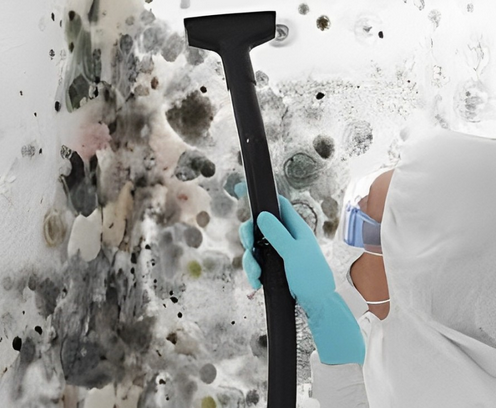
The visible chaos is what everyone focuses on when a storm hits. If you are also dealing with water ingress in your property, the first thing you need to secure is to seek help from a professional Mould Inspection Melbourne team. It is mostly a time-sensitive necessity, rather than a secondary task. The mould gets colonized immediately within hours of moisture contact. One must understand the timeline of the fungal growth and act accordingly to eradicate them from the house. A simple drying job cannot help the process of eradication.
Why are the first 24 to 48 hours after the storm considered a golden window?
Even though mould spores are active and present everywhere, they remain dormant until they find water. The spores get activated once they find a leak or water presence. They begin to penetrate into materials, drywalls, and even to insulations within 24 to 48 hours.
Can you see mould immediately after a storm?
Rarely you can see mould growth immediately after a rain storm. The usual areas where the mould starts growing are in the dark, damp recesses of your home. They might have already been well-established under your floorboards, or behind your baseboards, or even inside the ceiling voids. You might not visibly see any spots, but internally, with the moisture meters can inspect and identify their presence.
Are there any risks if you delay a professional inspection?
Delaying to hire a professional team is like you are allowing the moisture to migrate. Water doesn’t just stagnate, but has the ability to travel through capillary action. They can even move upward into the wall studs and across the subfloors. Delaying to call the professional team will escalate the class of water damage, which might cause structural damage to your home. The cost of repair will eventually increase, and it also heightens the risk of structural rot.
How does Melbourne’s humidity impact mould growth?
A high humidity following a storm is a troublesome situation that often happens in Melbourne. Airborne moisture for mould is created even if the standing water is mopped out of the house. It is because of the high relative humidity of the place. Only a professional inspector can identify the science of drying with the essential equipment and tools. This ensures that the air itself isn’t feeding a fungal outbreak.
Is the musty smell a definitive sign of an emergency?
Honestly, it is a yes sign for the call for an emergency. The musty smell is the off-gassing of microbials. It indicates that the growth of mould has been activated in the affected area. It is when the mould starts growing, and they are metabolizing the organic matter. This is the stage where you need a consultation of Mould Removal Specialist to prevent spores from spreading.
Can DIY cleaning methods hide the real problems of flood damage?
This is one of the false notions of many homeowners. Out of the chaos after seeking the flood damage, most of them run to grab bleach or any store-bought product or sprays. This might kill only the surface growth of the mould. But it can never be a helpful idea to address the moisture trapped into the walls.
What is the final step in claiming the insurance for flood damage?
An insurance company requires solid proof of the damage. They also need the documentation proofs about the steps taken to mitigate the storm. A professional team will get proper documentation and will provide you with the proper guidance as well to claim maximum remediation insurance.
To protect your home’s structural integrity and your family’s health, it is better to visit the Capital Restoration Cleaning team. The team guides you with the essential hacks and steps before they arrive for the professional inspection.