How Reptile Heat Lamps Help Maintain Healthy Basking Temperatures
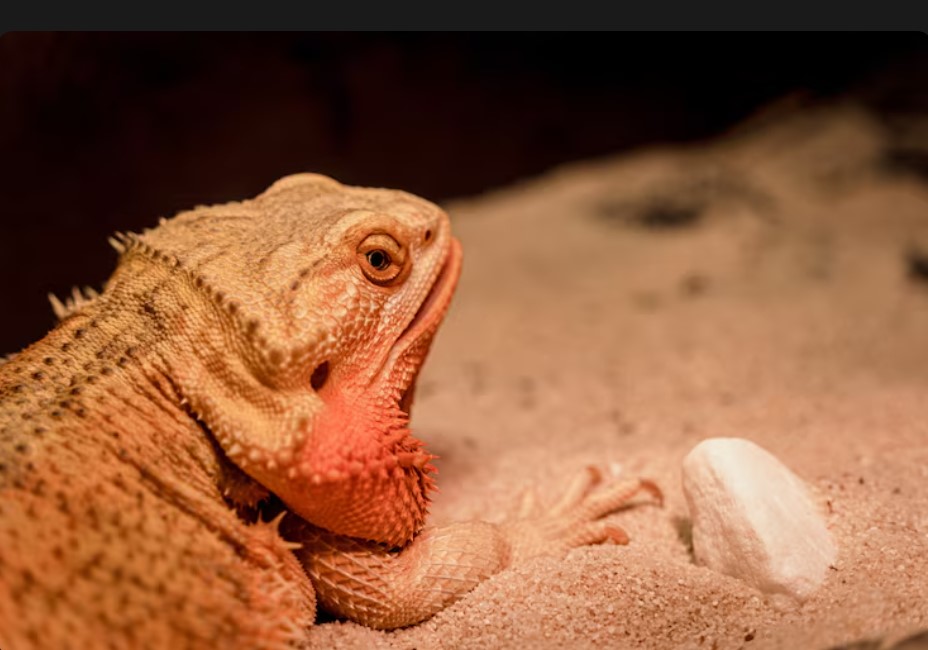
Proper heating is one of the most important parts of reptile care. Unlike mammals and birds, reptiles cannot generate their own body heat. They rely on external heat sources to regulate body temperature and perform essential biological functions. This is why reptile heat lamps are a critical part of many reptile habitats.
Whether you care for a bearded dragon, leopard gecko, turtle, iguana, or snake, maintaining the correct basking temperature helps support digestion, activity, growth, and overall health. Without proper heating, reptiles may become lethargic, stop eating, or experience health issues.
Understanding how reptile heat lamps work can help reptile owners create a safer and healthier environment for their pets.
Why Basking Temperatures Matter for Reptiles
A basking area is a warm spot where reptiles absorb heat from a light source. In the wild, reptiles often bask under sunlight to raise their body temperature.
Inside a terrarium or enclosure, a heat lamp for reptiles performs a similar function.
Correct basking temperatures help support:
-
Digestion
-
Metabolism
-
Energy levels
-
Immune function
-
Natural behavior
Without a suitable basking zone, reptiles may struggle to maintain proper body functions.
Different reptile species require different temperature ranges, making research and monitoring essential.
Facts About Reptiles and Temperature Regulation
One of the most important facts about reptiles is that they are ectothermic animals. This means they depend on external heat sources rather than producing significant body heat internally.
Because of this, reptiles move between warmer and cooler areas to regulate their temperature naturally.
Other important facts about reptiles include:
-
Temperature affects digestion.
-
Activity levels depend on body temperature.
-
Appetite often decreases when temperatures are too low.
-
Proper heating supports normal growth and development.
These natural behaviors explain why temperature control is a major part of reptile husbandry.
How Reptile Heat Lamps Work
Reptile heat lamps emit heat to warm a designated area within the enclosure.
The lamp creates a basking spot where reptiles can sit and absorb warmth.
Most reptile heat lamps are installed above the enclosure and directed toward a basking platform, rock, branch, or similar surface.
As the reptile moves closer to or farther from the heat source, it can regulate its body temperature more effectively.
A quality reptile heat light helps create a temperature gradient. This allows reptiles to choose between warmer and cooler areas throughout the day.
Providing temperature choices encourages natural thermoregulation behavior.
Benefits of Proper Basking Temperatures
Maintaining the correct basking temperature offers several benefits.
Supports Healthy Digestion
Reptiles digest food more efficiently when body temperatures remain within the proper range.
Low temperatures can slow digestion and affect nutrient absorption.
Encourages Natural Activity
Many reptiles become more active when environmental temperatures match their biological needs.
A properly heated habitat often encourages exploration, climbing, and normal daily behavior.
Supports Immune Function
Healthy temperatures help reptiles maintain normal physiological processes.
Consistent heating can support overall wellness and reduce stress from unsuitable environmental conditions.
Helps Regulate Appetite
Many reptiles show stronger feeding responses when basking temperatures are appropriate.
A properly functioning heat lamp for reptiles can help support consistent eating habits.
Choosing the Right Reptile Heat Light
Not every reptile requires the same heating setup.
When selecting a reptile heat light, consider:
-
Species requirements
-
Enclosure size
-
Basking area location
-
Heat output
-
Lamp wattage
Desert species often require warmer basking areas than tropical species.
Research your reptile’s specific temperature needs before purchasing equipment.
A heat source that works well for one species may not be suitable for another.
Common Heat Lamp Mistakes
Many heating problems result from simple setup errors.
Common mistakes include:
Using Incorrect Wattage
A lamp that produces too much or too little heat can create temperature problems.
Poor Placement
Incorrect positioning may prevent reptiles from accessing proper basking temperatures.
Ignoring Temperature Monitoring
Heat output can vary depending on room conditions and enclosure design.
Without monitoring, owners may not realize temperatures have changed.
Creating Only One Temperature Zone
Reptiles need access to both warm and cool areas.
A temperature gradient allows them to regulate body temperature naturally.
Avoiding these mistakes can help create a more effective heating system.
Monitoring and Maintaining Temperatures
Installing reptile heat lamps is only part of the process.
Regular monitoring is equally important.
Check temperatures consistently and inspect heating equipment for signs of wear.
Useful maintenance practices include:
-
Monitoring basking areas regularly
-
Inspecting fixtures and bulbs
-
Replacing damaged equipment
-
Keeping heating equipment clean
-
Verifying temperature consistency
Routine checks help ensure the enclosure continues to meet your reptile’s needs.
Create a Better Basking Environment for Your Reptile
Healthy basking temperatures are essential for reptile care. Quality reptile heat lamps help reptiles regulate body temperature, support digestion, encourage activity, and maintain overall wellness. By understanding key facts about reptiles and selecting the appropriate reptile heat light for your species, you can create a habitat that supports natural behaviors and long-term health.
Evaluate your current setup, verify temperature levels, and choose a reliable heat lamp for reptiles that matches your pet’s needs. A properly heated enclosure is one of the most valuable investments you can make in your reptile’s well-being.
Frequently Asked Questions
1. Why are reptile heat lamps important?
Reptile heat lamps provide the external heat reptiles need to regulate body temperature and support essential biological functions.
2. What are some important facts about reptiles related to heating?
Reptiles are ectothermic animals that rely on environmental heat sources to regulate body temperature, digestion, and activity levels.
3. How does a reptile heat light create a basking area?
The lamp directs heat toward a specific location where reptiles can absorb warmth and regulate their body temperature.
4. How do I choose the right heat lamp for reptiles?
Select a heat lamp based on species requirements, enclosure size, temperature goals, and recommended heat output.
5. How often should I check basking temperatures?
Temperatures should be monitored regularly to ensure the habitat remains within the appropriate range for the reptile species being kept.