Rental Listings by Owner: How to Compete Without Paying Listing Fees
Listing a rental property on your own may seem like a daunting task, especially in a competitive market where large agencies often dominate digital spaces. However, for property owners who prefer a hands-on approach, it’s entirely possible to stand out without breaking the bank. Thanks to the growing number of rental platforms near me, visibility for independent listings is now more accessible than ever. The key lies in understanding the dynamics of the rental market, fine-tuning your presentation, and using smart strategies to attract quality tenants.
- Know Your Target Audience
Before listing your rental, think about who you want to attract. Is your property ideal for students, working professionals, digital nomads, or families? Tailoring your listing to appeal to your ideal renter helps increase engagement and minimizes time wasted with unqualified leads. For instance, highlight nearby universities for student rentals or co-working spaces for digital nomads. Your description should directly speak to the needs and expectations of the tenant you hope to attract.
- Create a Compelling Listing
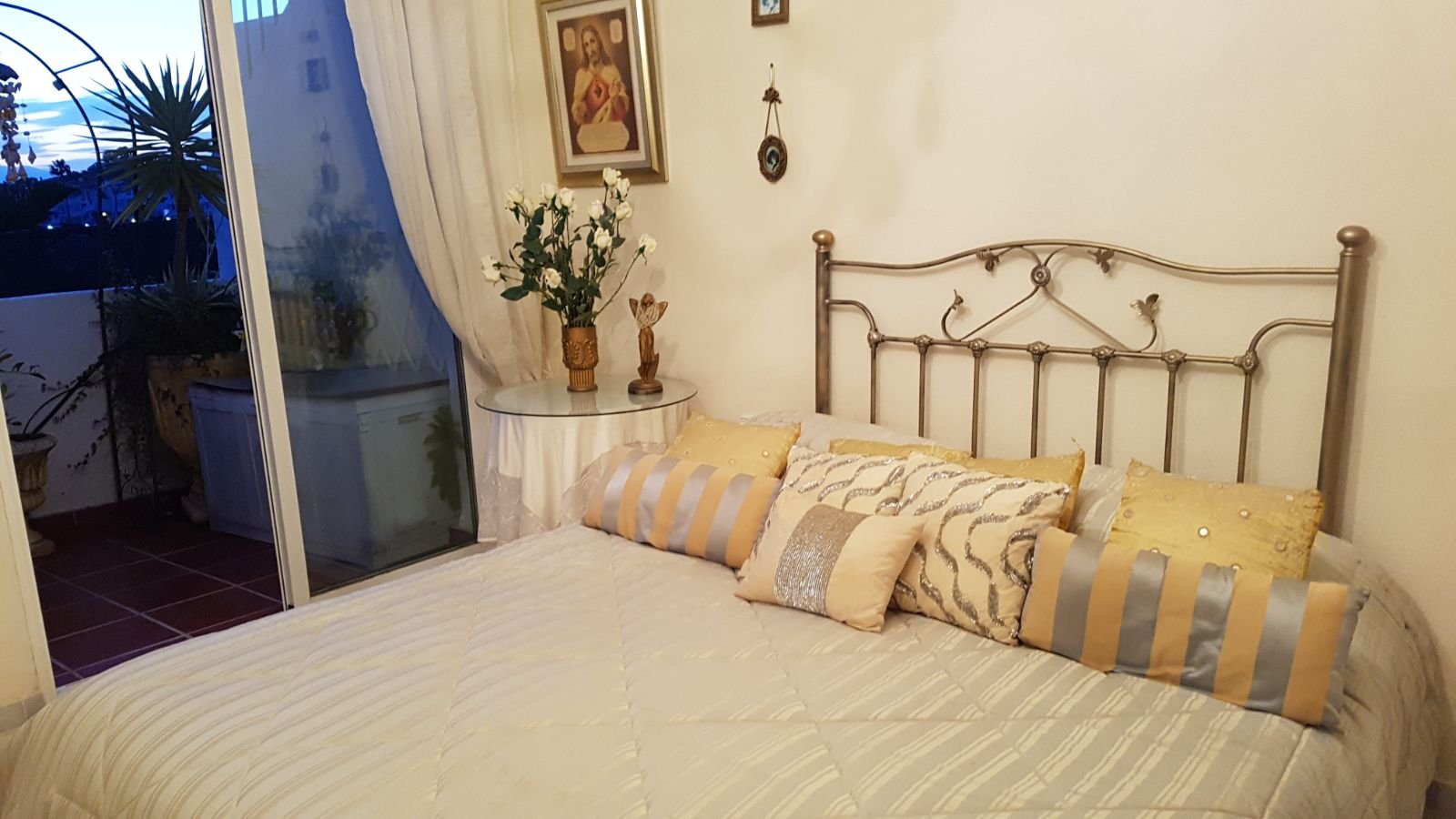
Photos and descriptions are the first impression your property makes. Invest time in high-resolution images that showcase your space in natural light. Include pictures of every room, as well as outdoor areas if available. Pair these visuals with a compelling narrative—use words that bring out the atmosphere of the home rather than just listing features. Instead of saying “2-bedroom apartment,” try “spacious and sunlit 2-bedroom apartment with balcony views.”
Descriptions should be clear, honest, and detailed. Mention important features such as air conditioning, Wi-Fi, parking, laundry facilities, or pet-friendliness. Transparency builds trust and reduces unnecessary queries.
- Optimize Your Listing for Search
Even without paid promotions, your listing can be found if it is optimized well. Use relevant keywords in your title and description that potential renters are likely to search. Terms like “furnished studio near city center” or “affordable 1-bedroom for long-term stay” help your property appear in organic searches. Location-specific terms and unique selling points give your property a better chance of being discovered.
- Offer Competitive Pricing
When setting your rental price, research similar listings in your area to stay competitive. Overpricing might drive potential tenants away, while underpricing can reduce your returns. If possible, offer flexible lease terms to attract a wider audience. Discounts on long-term rentals or referral bonuses can also make your listing more appealing.
- Use Free and Niche Platforms
There are several websites where you can list your property for free. While some platforms may have less traffic than mainstream ones, they often attract a niche audience actively seeking rentals by owner. Leveraging local online groups or university housing boards is another effective way to get noticed. Ensure your contact details are easy to find and that you respond promptly to inquiries.
- Stay Legally Compliant
While you may not be working through an agency, you still need to meet all legal requirements for renting a property. Make sure to register rental property in accordance with local housing laws, especially if you’re offering long-term stays. Provide a standard lease agreement, ensure the property is safe and habitable, and understand tenant rights in your jurisdiction.
Conclusion
Choosing to list your rental property independently offers both flexibility and financial benefits, as long as you’re prepared with the right tools and mindset. For property owners looking to simplify the process while maximizing exposure, Flexsirent offers a trusted and user-friendly platform where owners can connect with travelers, students, and remote workers—all without the hassle of third-party interference. Whether you’re managing one property or several, it’s a modern solution designed to put you in control.